The kitchen and dining room are some of the busiest spaces in the home. Meals get prepared, kids finish homework at the table, groceries pile onto countertops, and random household items somehow end up everywhere.
Because these spaces see constant daily use, clutter builds up fast. Expired pantry items hide in the back of cabinets, kitchen gadgets fill drawers, and seasonal tableware takes over valuable storage space long after the holidays are over.
Decluttering the kitchen and dining room can make everyday life noticeably easier. A clean and organized kitchen improves efficiency, simplifies meal prep, and helps the entire house feel calmer and more functional.
This next installment in our Room-by-Room Decluttering Series walks through practical steps to organize your kitchen, dining room, and storage areas more effectively.
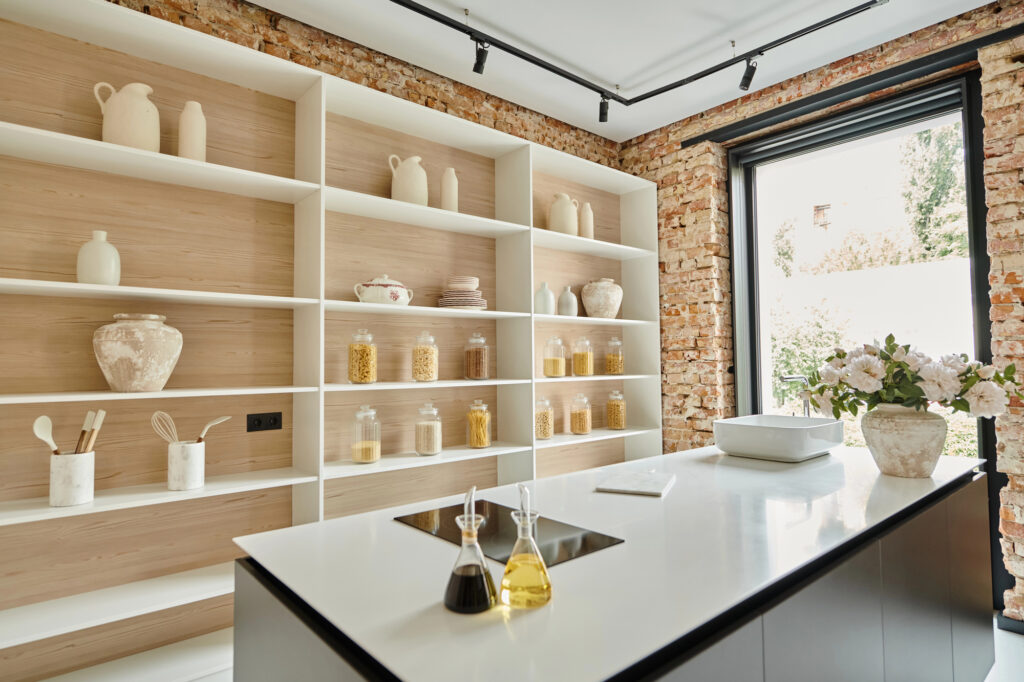
Why Decluttering the Kitchen Matters
A clutter-free kitchen does more than improve appearance. It creates a more functional space where cooking, cleaning, and gathering become easier. Even small changes can make a noticeable difference in how the space functions every day.
An organized kitchen can help:
- Simplify meal prep and cleanup
- Reduce food waste from expired items
- Create more usable counter and cabinet space
- Make it easier to find cookware and ingredients
- Help the kitchen feel cleaner and less stressful
Step-by-Step Guide to Decluttering the Kitchen & Dining Room
1. Purge Expired Food From the Pantry, Fridge, and Cabinets
Food clutter builds up quietly over time. Old spices, expired canned goods, and forgotten leftovers take up valuable space and make cabinets harder to organize. Start by going through:
- Pantry shelves
- Refrigerator shelves and drawers
- Kitchen cabinets
Toss anything expired or no longer used. Group similar foods together to make items easier to find in the future. This step alone often frees up far more storage space than expected.
2. Declutter Kitchen Countertops
Kitchen countertops quickly become catch-all spaces for mail, snacks, appliances, and miscellaneous household items. Clear everything off the counters and only return the essentials. For most households, this may include:
- Coffee maker
- Toaster
- Frequently used cooking items
3. Organize Kitchen Gadgets and Cooking Tools
Most kitchens contain gadgets and tools that rarely get used. Duplicate utensils, specialty appliances, and random drawer items often create unnecessary clutter. Sort kitchen tools into categories:
- Everyday cooking essentials
- Seasonal or specialty gadgets
- Items no longer used
Store rarely used gadgets higher in cabinets or in secondary storage areas. Keep frequently used tools within easy reach. Drawer dividers and shelf organizers can also help maximize cabinet space and make everyday cooking more efficient.
4. Reorganize Cabinets and Drawers
Kitchen cabinets tend to become crowded over time, especially when items get pushed into the back and forgotten. Take everything out one section at a time and reorganize intentionally.
Create zones for dishes, baking supplies, cookware, and snacks so everything has a designated place. This step makes the kitchen easier to maintain over the long term. Helpful organization tools include:
- Shelf risers
- Drawer dividers
- Clear storage bins
- Stackable organizers
5. Store Seasonal Tableware and Holiday Items Separately
Seasonal table linens, Christmas dishes, Hanukkah décor, runners, and holiday serving pieces only get used a few weeks each year. Keeping seasonal and holiday decorative items in dining room cabinets year-round takes up valuable space.
Instead, group seasonal items together and store them separately once the season ends. This helps free up cabinet and dining room storage space, keeps seasonal items protected and organized, and makes decorating much easier when the holidays return next year.
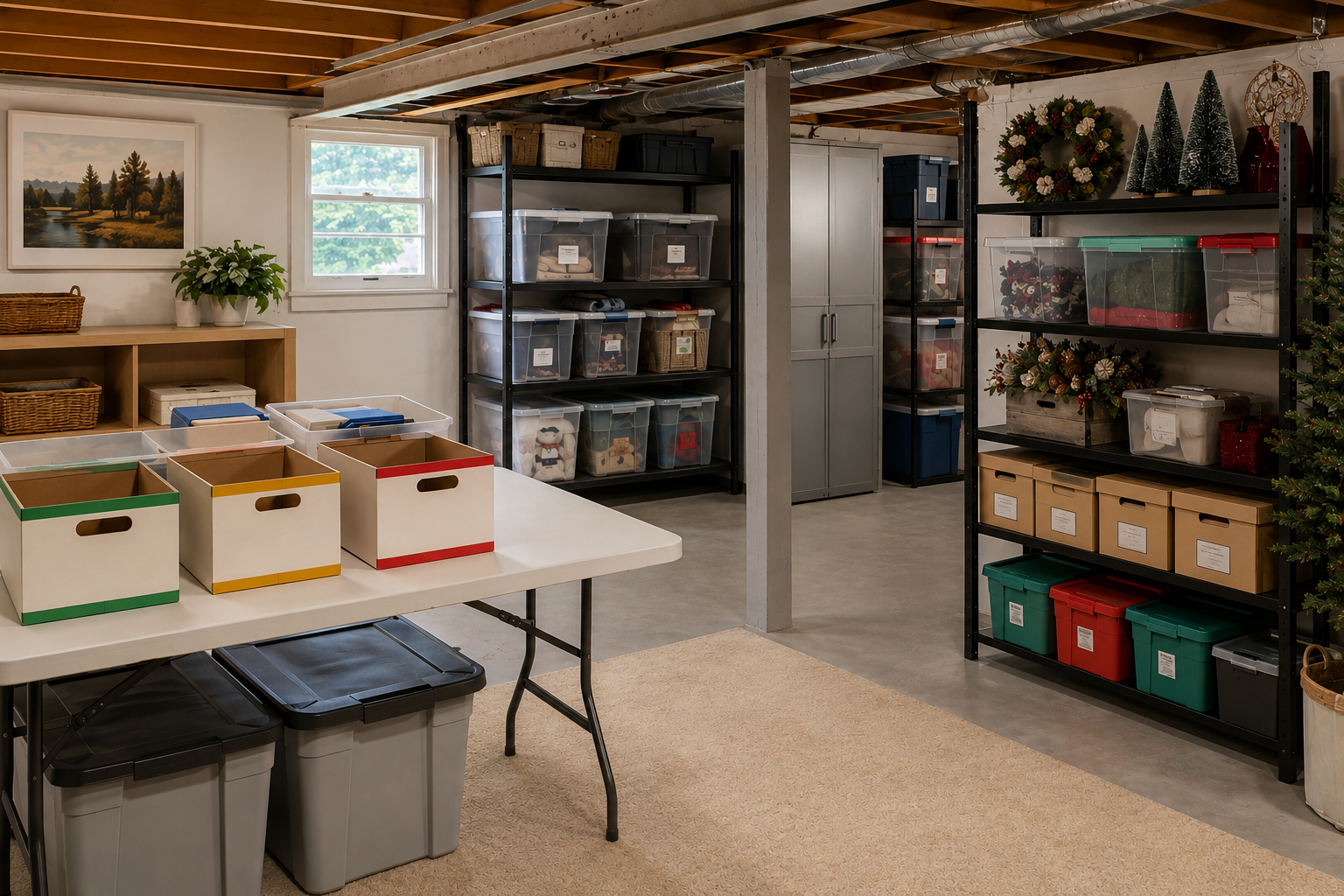
Many families store these items in labeled bins in the attic, basement, or a nearby storage unit. Keeping all seasonal decorations and tableware together means you only need one trip to grab everything when the holidays return.
Create a Kitchen That Works Better Every Day
A decluttered kitchen and dining room make everyday routines smoother. Cooking becomes easier, cleanup takes less time, and the entire home feels more organized. Focus on small improvements:
- Clear expired food regularly
- Keep countertops open
- Organize cabinets intentionally
- Rotate seasonal items out of the kitchen when not in use
When Kitchen Clutter Is Really a Storage Problem
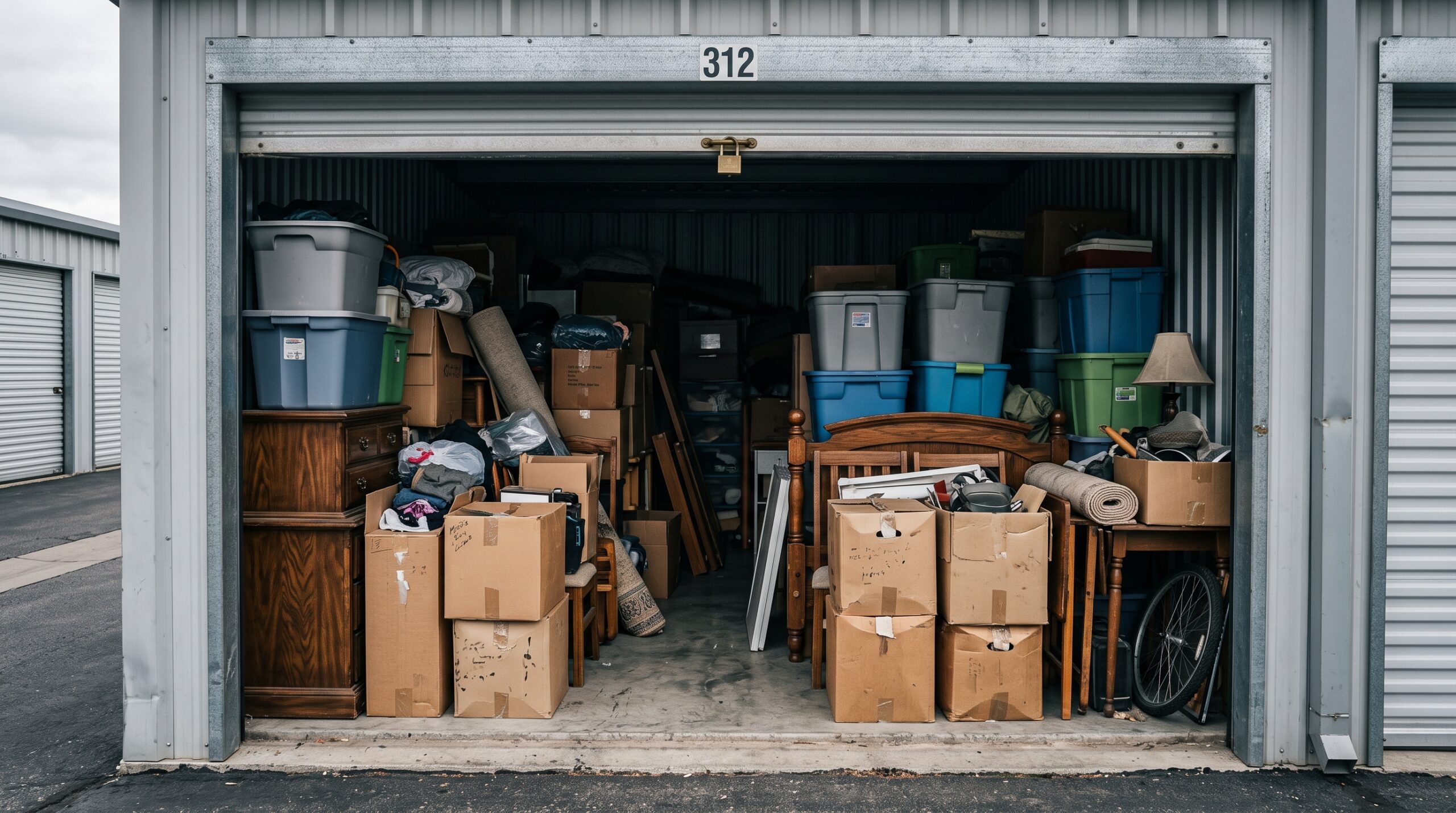
Sometimes the issue is not organization. It is simply a lack of space. Holiday dishes, bulk pantry items, seasonal décor, and rarely used kitchen equipment can quickly overwhelm cabinets and dining room storage areas. Moving those items into organized storage can free up valuable space inside the home.
Utah Storage Center helps families create more breathing room by providing clean, secure storage space for seasonal items, decorations, and household belongings that do not need daily access.
Make the Kitchen Feel Functional Again
Decluttering the kitchen does not have to happen all at once. Taking it step by step makes the process much more manageable and helps create lasting organizational systems.
By clearing expired food, simplifying countertops, organizing cabinets, and storing seasonal tableware separately, you can create a kitchen and dining room that feel cleaner, calmer, and easier to use every day.
If your home still feels crowded after decluttering, Utah Storage Center can help. Our clean, secure storage units provide extra storage space for seasonal items, decorations, and household belongings that are taking up valuable room at home.
Contact Utah Storage Center today to find a storage solution that helps keep your kitchen, dining room, and entire home organized year-round.