Fall can make a Utah home feel full overnight. School papers land on the counter, backpacks pile up by the door, and soccer cleats, football gear, dance bags, jackets, and water bottles all seem to need the same few feet of space.
Then the seasonal swap starts. Summer gear is still hanging around, but cooler-weather clothing, holiday bins, and winter equipment are making their way back into the house.
If you are trying to figure out how to reorganize your home without turning the whole weekend into a sorting project, start with the places where family life gets stuck. A few practical systems can make mornings easier, keep entryways usable, and give seasonal items a clear place to go.
Build a Family Command Center That Can Survive a Busy Week
A command center only works if everyone can use it quickly. If it requires perfect handwriting, color-coded binders, or constant rearranging, it may look great for a few days and then become one more thing to maintain.
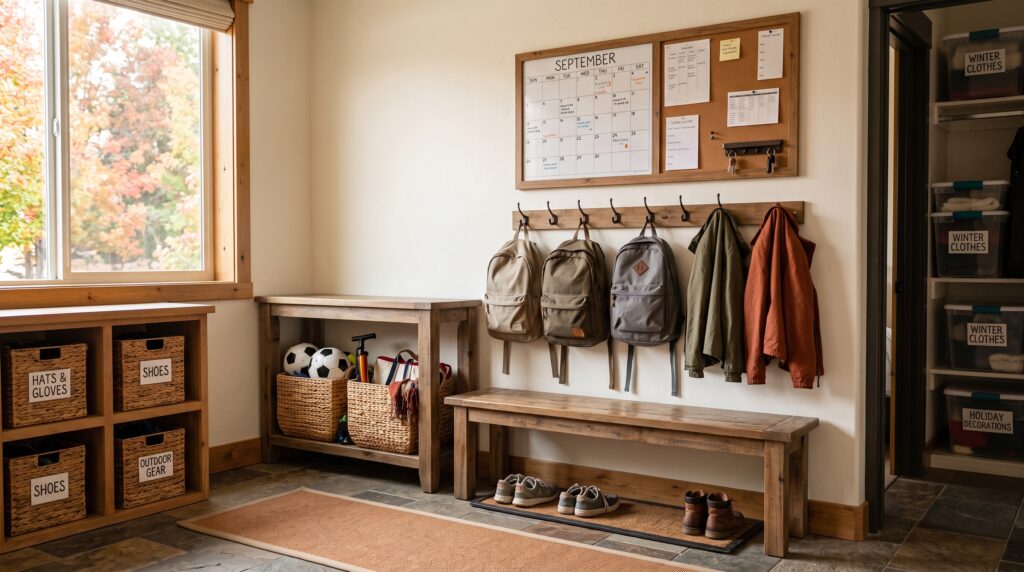
Start with the physical version. Choose one wall, cabinet side, or small section near the kitchen or main entry. Give it a few clearly labeled zones:
- Incoming school papers and forms
- Items that need to leave the house
- A weekly calendar or activity board
- Keys, badges, and other small daily essentials
- A short grocery or household list
Keep the categories broad. A bin labeled “school papers” is easier to maintain than separate folders for every class, child, and activity.
Then build the digital half of the system. Use one shared family calendar for practices, games, appointments, school events, and pickup changes. If your family already uses a calendar app, resist adding a second planning app unless it solves a real problem. The best system is the one everyone checks.
A useful habit is to spend five minutes each evening reviewing the command center alongside tomorrow’s digital calendar. Sign the field trip form, move the soccer bag by the door, and make sure tomorrow’s schedule is visible before bedtime.
Give Backpacks and Sports Gear a Landing Spot
Entryways usually become dumping grounds because people need somewhere to put things immediately. The fix is not telling everyone to “put it away.” The fix is making the right place easier than the floor.
Create a landing spot for each child. Depending on your space, that might be a hook, cubby, basket, shelf, or section of a bench. Keep the daily categories simple:
- Backpack
- Shoes
- Jacket
- Activity or sports bag
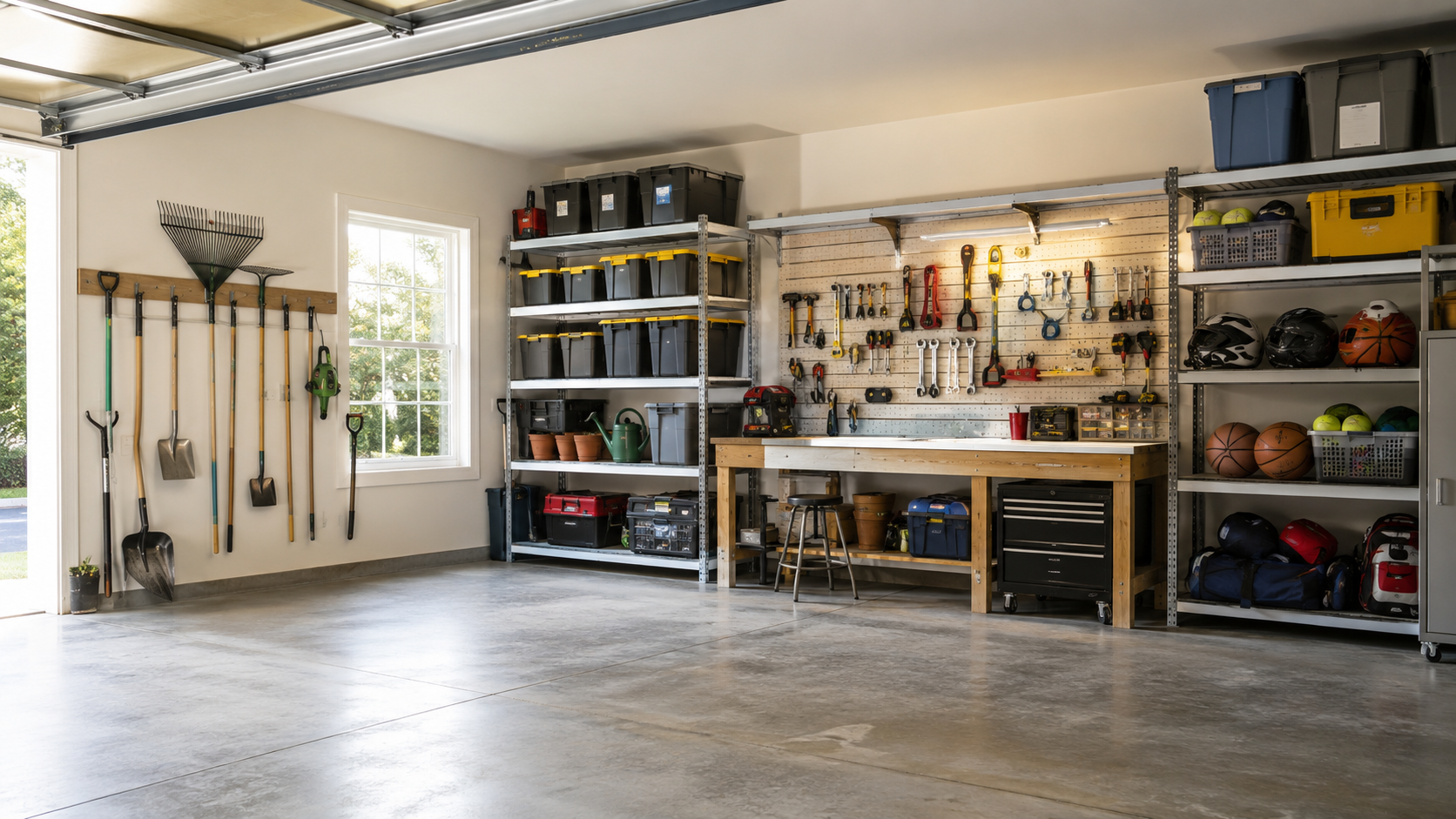
For sports equipment, separate “grab every day” gear from “needs to dry or air out” gear. A washable mat, open basket, or ventilated rack near the garage or mudroom can keep dirty shoes and equipment from spreading across the house.
Keep backup and rarely used equipment somewhere else. Extra balls, camping equipment, outgrown bikes you are saving for a younger sibling, or off-season sports gear do not need prime entryway space.
Tonight, set a 15-minute timer and clear only the floor around your main entrance. Add one basket for loose shoes and one hook or spot for each backpack. Stop there. A usable entryway tomorrow morning is more helpful than an unfinished whole-house reorganization project.
Rotate Seasonal Gear Based on When You Need It
One reason fall organization feels hard is that several seasons can overlap. You may still need camping gear on one weekend while pulling out coats and cold-weather equipment for the next. Instead of organizing by room, organize seasonal items by when you will use them:
- Now: items your family uses every week
- Next: items you expect to need within the next month or two
- Later: off-season items you can store farther away
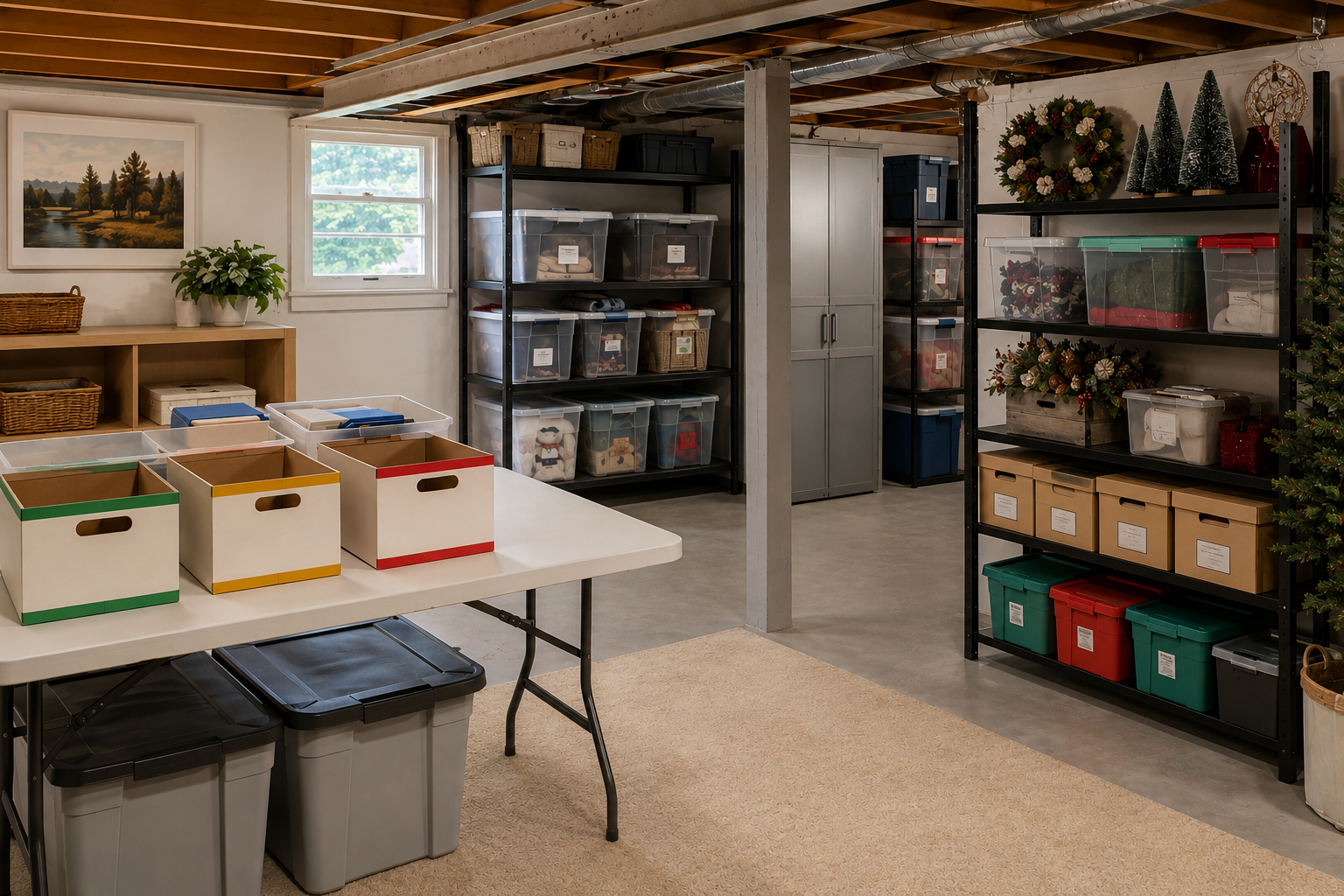
“Now” items should stay in the garage, mudroom, closet, or another easy-access spot. “Next” items can go in a secondary but still accessible storage area or in clearly labeled bins. “Later” items are good candidates for attic space, a basement storage area, or a storage unit if home space is tight.
For Utah families with a lot of outdoor equipment, this rotation can be especially useful for bikes, camping gear, sports equipment, sleds, and seasonal clothing.
Holiday decorations fit the same system. Keep the next holiday accessible. Move off-season decorations farther back so you are not shifting five bins every time you need one tote.
Create Calm Zones by Protecting a Few High-Traffic Spaces
You do not need every room to look finished for your home to feel more settled. In a busy family home, protecting a few high-traffic spaces can make a bigger difference than reorganizing a closet no one opens before school.
Choose one or two areas that affect the whole family, such as the entryway, kitchen counter, dining table, or living room floor. Decide what is allowed to live there and where everything else should go.
For an entryway, that might mean:
- One pair of everyday shoes per person
- One current jacket per person
- One backpack or work bag per person
- One basket for small items that need to be put away later
A small catch-all spot can be useful for the things that inevitably land on the counter, from library books and receipts to sunglasses and other everyday odds and ends. Give those items a temporary home, then clear it once or twice a week.
If clutter keeps returning to the same surface, treat that as information. The item probably does not have a convenient home yet. Adding a hook, basket, drawer divider, or nearby shelf may work better than repeatedly moving the same pile.
Use Memory Boxes for the Things Your Kids Have Outgrown
Kids outgrow things faster than most families can sort them. One month it is tiny cleats and team shirts. Then it is artwork, school projects, favorite books, baby clothes, and the jacket they wore everywhere for two winters. You do not have to decide between keeping everything and getting rid of everything.
Give each child one memory box for a defined period, such as one school year or one stage of childhood. When the box gets full, review it together or choose a few items that best represent that season of life.
A simple memory box might hold:
- A few favorite school projects or drawings
- One meaningful team shirt, uniform, or recital item
- A small set of baby or childhood clothing
- Photos, cards, or small keepsakes
Label the box with the child’s name and the years it covers. If you are saving larger outgrown items for a younger sibling, keep those separate from sentimental keepsakes so you can find practical hand-me-downs when you need them.
Let Self Storage Handle the Rotation, Not the Daily Routine
Self storage works best when it supports your home systems instead of becoming a place where everything goes.
For many families, the most useful items to move out of the house are things you plan to use again but do not need this season. That can include:
- Off-season sports equipment and outdoor gear
- Holiday decorations you will not use for several months
- Seasonal clothing, snow gear, and extra bedding
- Memory boxes and outgrown items you want to keep
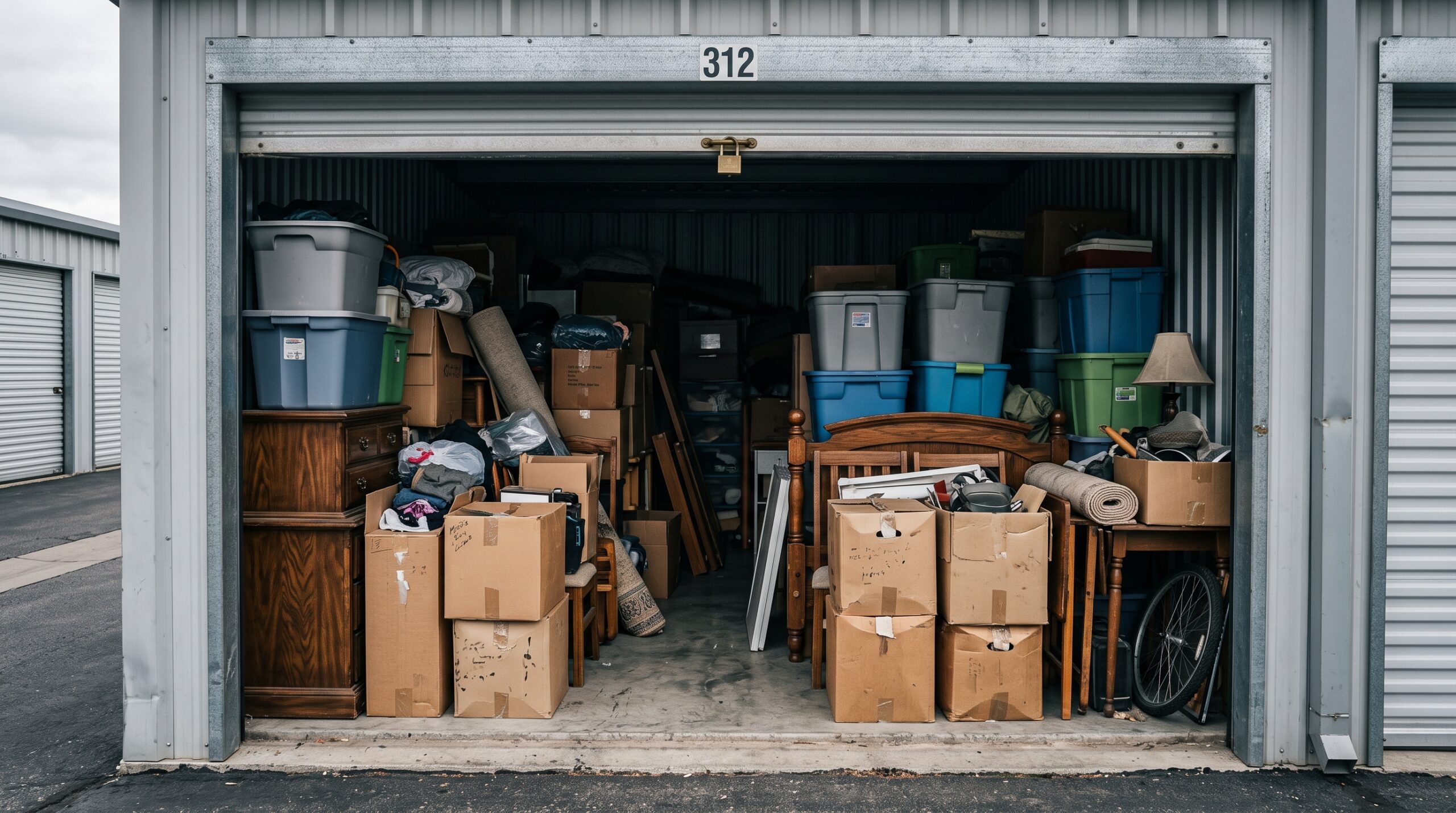
Pack by category and label at least two sides of each box or tote. Keep items you expect to retrieve sooner near the front so seasonal swaps do not turn into a full unloading project.
If you are unsure what size storage unit you need, start with what you actually plan to rotate out of the house. A few labeled bins have very different space needs than bikes, sports equipment, and several seasons of family belongings. Use the storage unit size guide as a starting point, then confirm current sizes and availability with the location you are considering.
Location matters, too. A storage unit is more useful when it fits into your normal routine. Browse Utah Storage Center’s storage facilities and look for a location that makes sense near home, work, school, or the routes you already drive.
Make Room for a Calmer Fall at Home
An organized fall does not have to mean labeled perfection. It can look like a backpack with a hook, a soccer bag ready before practice, a kitchen counter you can actually use, and a home that still works when the family calendar gets busy.
Those small systems can make everyday routines feel more manageable while giving you room to keep what your family cares about, without asking every closet, shelf, and entryway to hold every season of life at once.
If seasonal and rarely used belongings are taking up space your family needs every day, contact Utah Storage Center to find a storage option that works for your home and routine.