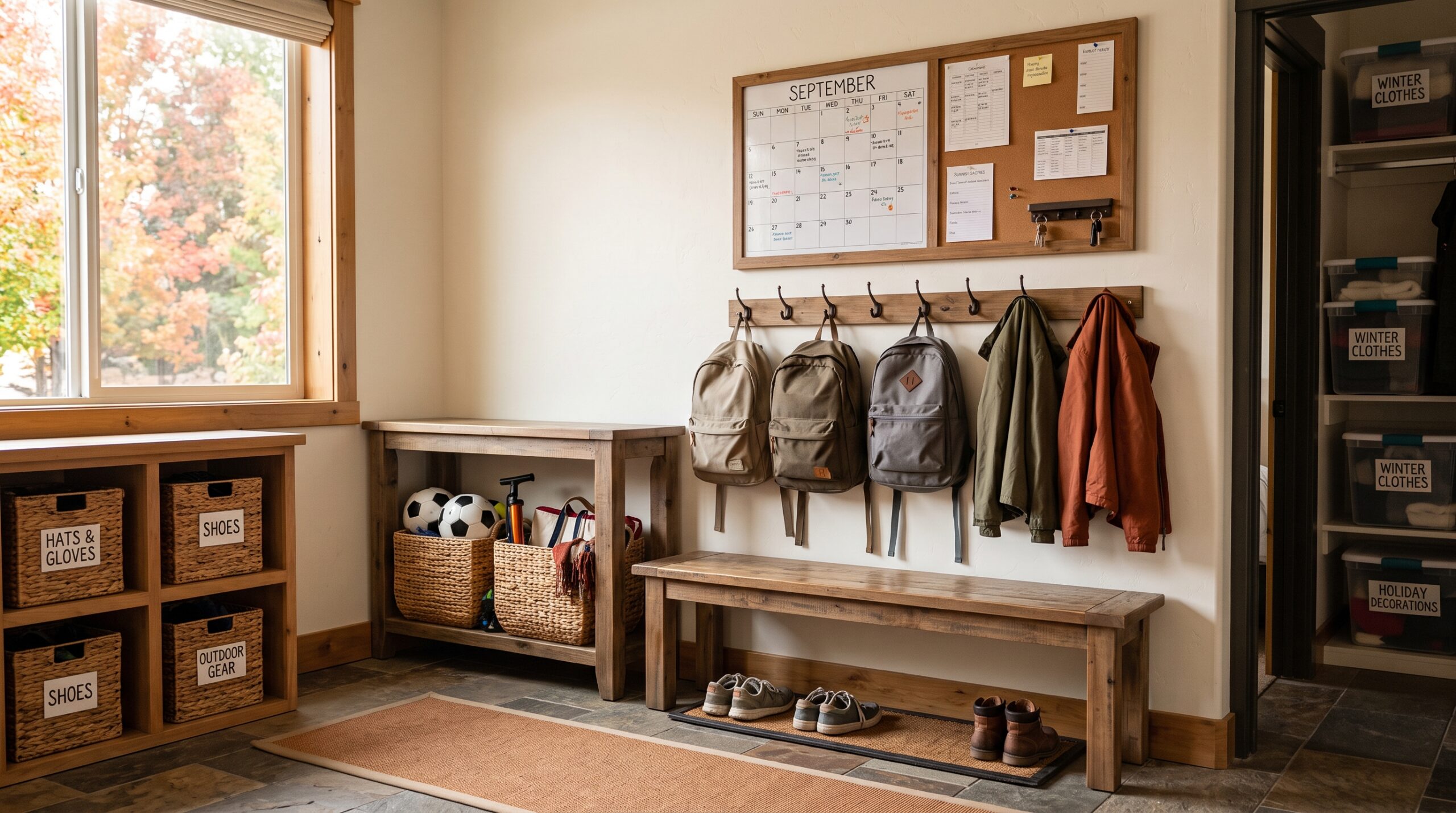
The garage is one of the easiest places in the house to put something when you do not know where else it belongs. Tools collect on the workbench, sports gear lands near the door, and garden supplies fill corners. Meanwhile, holiday decorations, coolers, camping equipment, and half-finished projects slowly take over the shelves.
Before long, the space you meant to use for parking, projects, or hobbies becomes harder to move through and harder to keep organized. Learning how to declutter the garage starts with deciding what you actually use and giving everything that stays a practical place to go.
This next installment in our Room-by-Room Decluttering Series walks through simple ways to organize garages and workshops so they are easier to use, safer to move through, and simpler to maintain.
Why Decluttering the Garage Matters
A crowded garage affects more than appearance. When boxes block walkways, tools disappear into piles, or sports equipment spreads across the floor, everyday tasks take longer than they should. Decluttering can help you:
- Find tools and supplies without digging through boxes
- Reduce common trip hazards in walkways and work areas
- Make it easier to see what you already own before buying duplicates
- Create a garage that feels less stressful to walk into
The goal is not a picture-perfect garage. It is a space that works for the way your household actually uses it. And if you are working your way through other areas of the house too, our guide to the physical and mental benefits of decluttering explains why creating a more manageable home can make such a difference.
Step-by-Step Guide to Decluttering the Garage and Workshop
1. Start With One Manageable Area
Trying to declutter the garage all at once can turn into a bigger project than expected. Start with one shelf, one wall, the workbench, or a small section of floor. As you work, sort items into a few basic groups:
- Keep in the garage
- Move somewhere else in the house
- Donate or sell
- Recycle or dispose of
- Store for another season
Clear one section before moving to the next. Seeing a finished area gives you room to sort the next group of items without creating a new pile in the middle of the garage. It also helps to keep the driveway, garage door, and main walking paths clear while you work.
2. Sort Through Tools and Equipment
Tools have a way of multiplying. You may have three tape measures, several nearly identical screwdrivers, old drill bits, extra extension cords, or garden tools you forgot were hanging behind a shelf.
Start by grouping similar items together. Seeing everything in one place makes duplicates much easier to spot.
Keep the tools you use regularly and the specialty tools you have a realistic reason to keep. Then look closely at duplicates. You may need more than one screwdriver, for example, but five versions of the same rarely used tool may be taking up space you could use for something else.
Check equipment as you sort. Set aside broken tools, damaged cords, empty containers, and items that need repair. Do not put something back on the shelf simply because it was already there.
3. Create Dedicated Zones for Different Activities
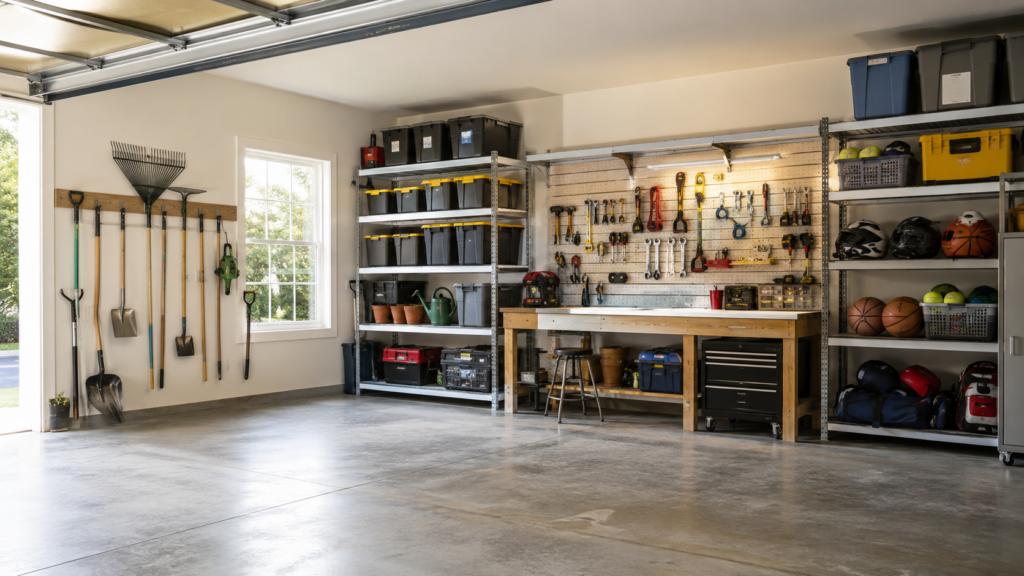
Once you know what is staying, organize the garage by activity instead of putting things wherever there is an open shelf. Useful zones might include:
- A gardening zone for hand tools, gloves, pots, and watering supplies
- An automotive zone for car-care products, funnels, cleaning supplies, and basic tools
- A sports and outdoor zone for balls, helmets, frequently used camping gear, folding chairs, and outdoor equipment
- A workshop zone for power tools, hardware, clamps, and project supplies
Keep each zone close to where you use it when possible. Gardening tools may make more sense near the door that leads to the yard. Sports equipment may work best near the garage entrance, where kids can grab it without having to walk through the entire space.
A workshop should also have a clear work surface. If the bench has become a permanent landing spot for loose hardware, unopened packages, and unfinished projects, clear it completely before deciding what deserves to go back.
4. Use Wall-Mounted and Vertical Storage to Open the Floor
Garage walls are valuable storage space. Moving lightweight tools, bikes, sports equipment, and supplies off the floor can make a crowded garage feel noticeably more usable. Depending on your setup, useful options may include:
- Pegboards for frequently used hand tools
- Wall hooks for rakes, shovels, brooms, and hoses
- Slatwall systems for adjustable baskets and hooks
- Shelving for labeled bins
- Wall-mounted racks for appropriate sports equipment
Store heavier items on sturdy lower shelves whenever possible. Follow the weight limits and installation instructions for any wall-mounted system, and avoid placing equipment where it could interfere with vehicles, doors, or normal walkways.
Think about frequency of use as you organize vertically. The things you reach for every week should not require moving three bins and climbing around other equipment. Reserve harder-to-reach areas for lighter items you only need occasionally.
5. Give Small Tools and Hardware a Clear Home
Screws, nails, drill bits, tape, fasteners, batteries, zip ties, and small replacement parts can make even an organized workshop feel messy when they are scattered across drawers and shelves.
Sort these items by type and use small drawers, divided containers, or labeled bins to keep them together.
Keep categories specific enough to be useful without making them so detailed that putting things away becomes a chore. For example, a general “electrical” bin may work better for your setup than sorting every small item into a separate container. Before buying more organizers, try your setup for a few weeks and adjust it based on what you actually use.
6. Move Seasonal Items Into Labeled Bins
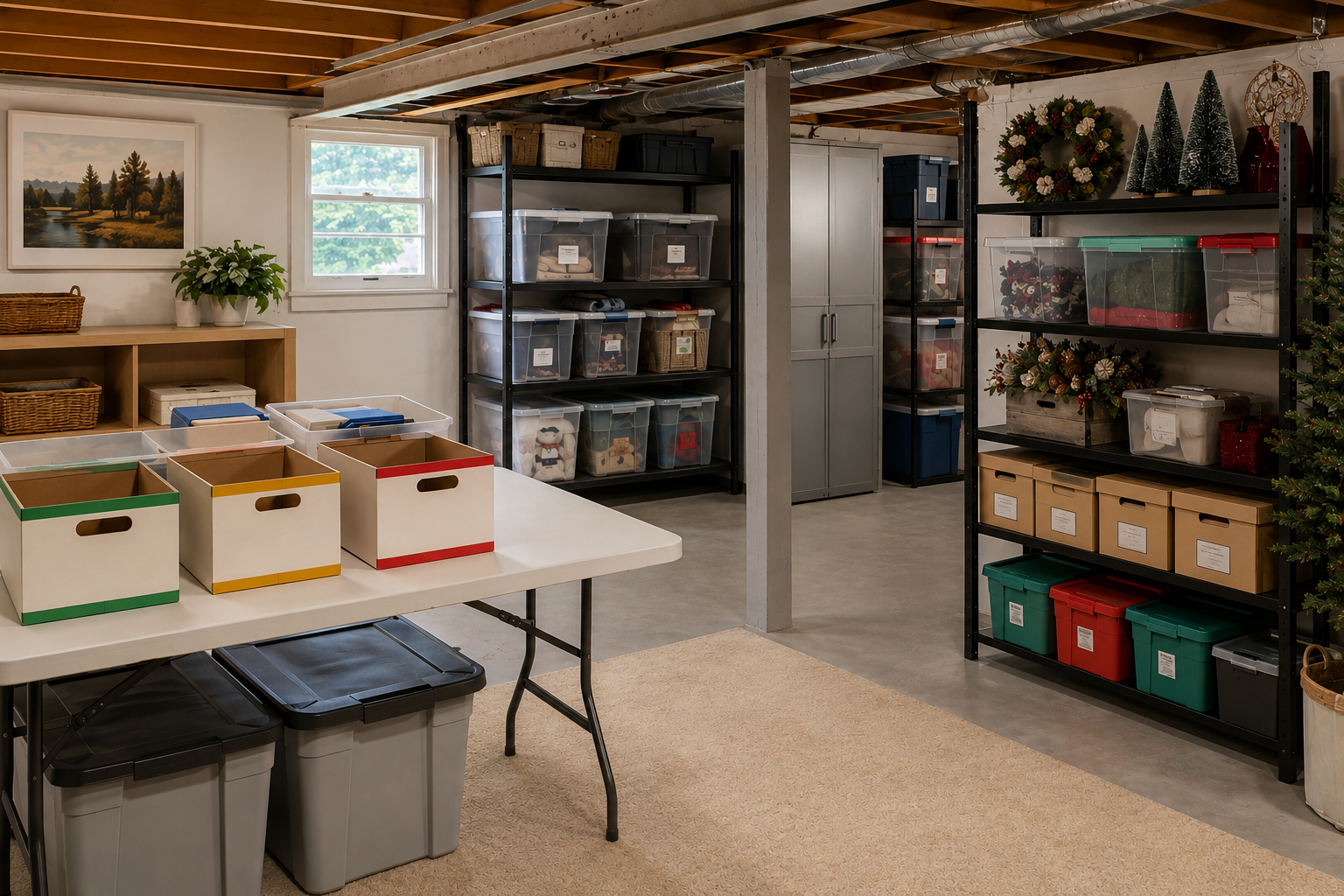
Garages often hold items that are useful for only part of the year. Holiday decorations, camping supplies, winter sports gear, outdoor games, coolers, and seasonal yard items can take up prime space even when you will not need them for months.
Group seasonal belongings together instead of scattering them throughout the garage. Use durable containers that fit your shelving, and label more than one side so you can identify a bin without pulling it down. Labels can be simple and specific:
- Christmas lights and outdoor décor
- Camping kitchen supplies
- Winter sports gear
- Summer yard games
- Fall decorations
Keep the current season within easy reach and move off-season items higher or farther back. When the weather changes, rotate the bins instead of reorganizing the entire garage.
Simple Systems That Keep Garage Clutter From Building Back Up
Once the garage is organized, maintaining it should not require another major cleanout every few months.
Give frequently used items an obvious place to return to. Leave enough room on shelves so putting something away does not require rearranging everything around it. Keep the floor as open as practical, and deal with new garage items before they become another permanent pile. The best system is one that fits naturally into your normal routine.
It can also help to do a quick reset when the seasons change. Put away the equipment you are finished using, bring the next season’s gear forward, and check for items you no longer need.
When Garage Clutter Is Really a Storage Problem
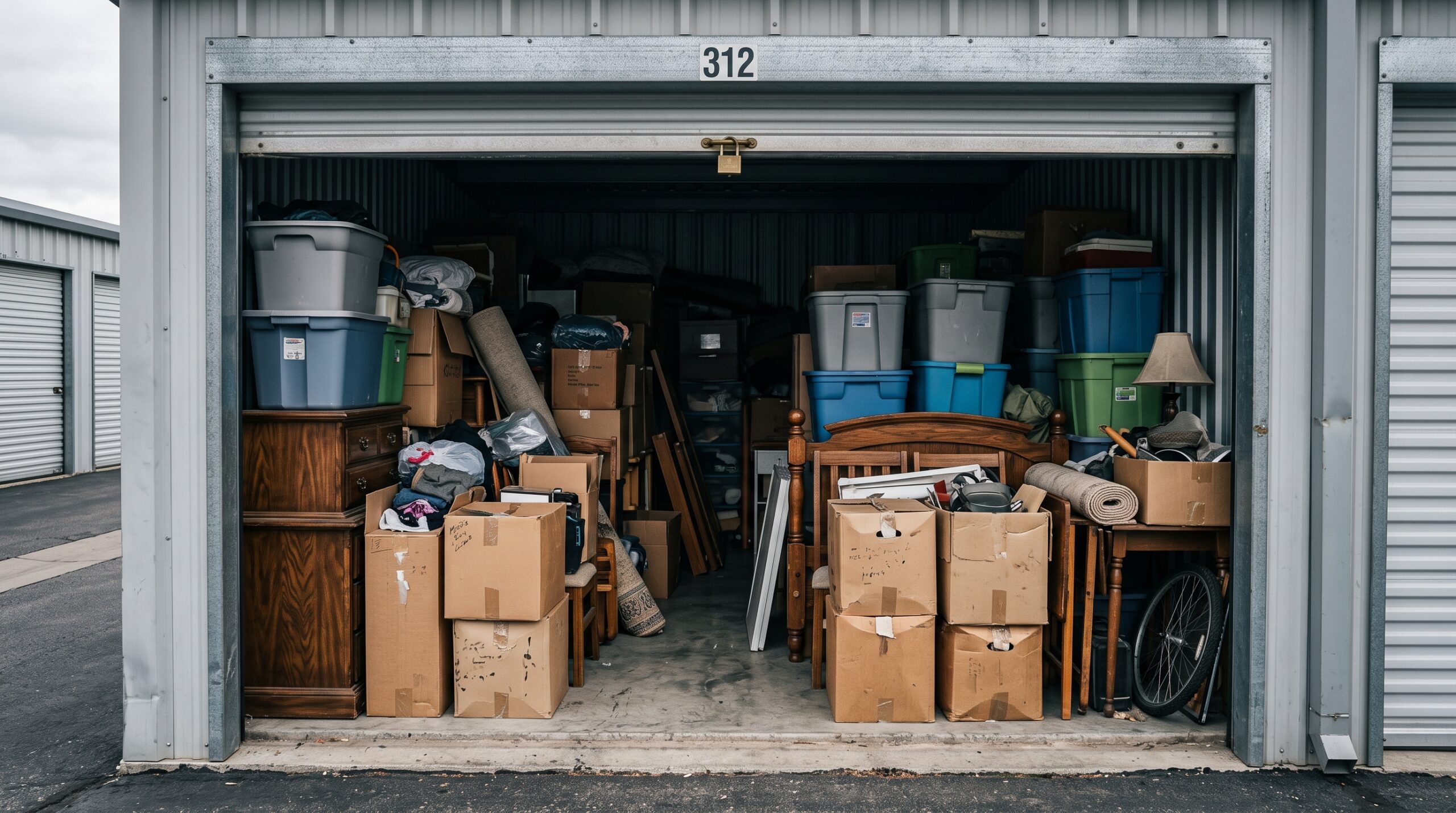
Sometimes organization is not the whole issue. You may declutter carefully and still have more seasonal gear, household overflow, keepsakes, or equipment than your garage can comfortably hold.
A nearby storage unit can give you another option for belongings you want to keep but do not need every week. Moving rarely used items out of the garage can free up space for the tools, vehicles, hobbies, and equipment you use more often.
If you only need to move part of the garage into storage, choosing the right unit size can be tricky. Utah Storage Center’s storage unit size guide can help you compare options based on what you plan to store rather than guessing how much room you need.
Make the Garage Easier to Use Every Day
A more organized garage starts with deciding what deserves to stay in the space. Sort your tools, remove unnecessary duplicates, create practical zones, use the walls wisely, and keep seasonal belongings together in clearly labeled bins.
You do not need to finish everything in one day. Work through the garage at a pace that feels manageable, and focus on creating a setup that will continue working long after the initial cleanout.
If you finish decluttering and still need more space, Utah Storage Center can help you find a clean, secure storage unit for seasonal and household belongings you do not need at home every day. Contact Utah Storage Center to compare available storage options and find a location that fits your routine.