Your bedroom should be one of the easiest rooms in the house to relax in. It is where you start the morning, wind down at night, and keep many of the personal items you use every day.
Because the bedroom is so personal, clutter can build up quietly. Clothes pile onto chairs. Nightstands collect old receipts, empty cups, and loose change. Shoes disappear under the bed. Decorative pillows, extra furniture, and small keepsakes can make the room feel crowded instead of restful.
Decluttering the bedroom can make your space feel calmer, cleaner, and easier to enjoy. This next installment in our Room-by-Room Decluttering Series walks through simple steps to organize your bedroom and create a better place to rest.
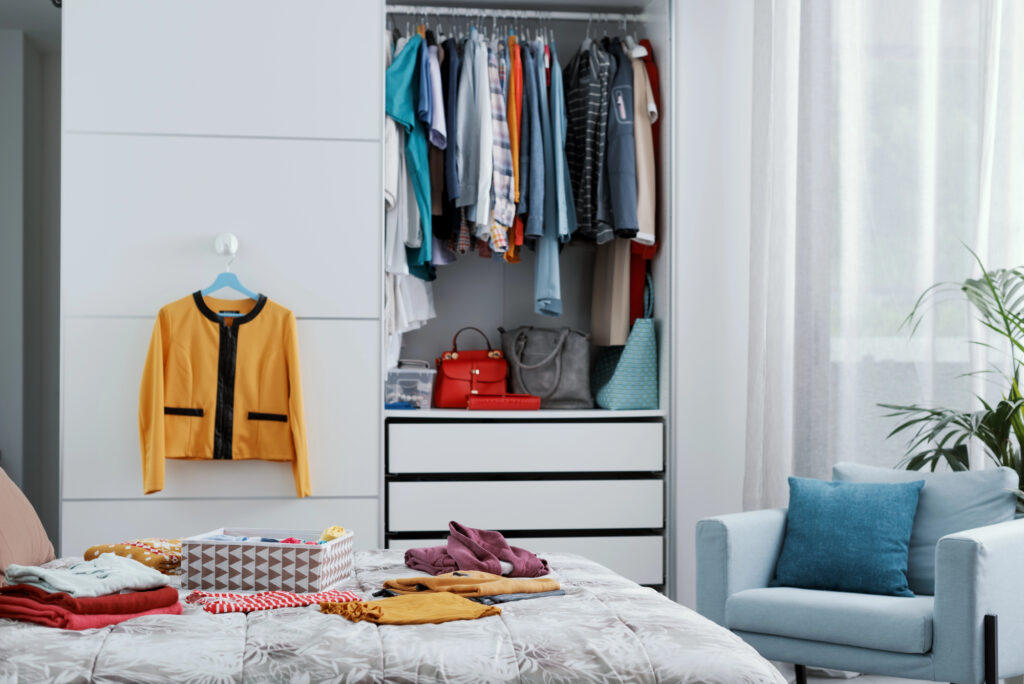
Why Decluttering the Bedroom Matters
A clutter-free bedroom can help your room feel more peaceful at the end of the day. When surfaces are clear, clothes are easier to find, and storage areas have a purpose, the whole space feels less stressful.
An organized bedroom can create a calmer environment for rest, make mornings feel easier and less rushed, and free up valuable closet, dresser, and floor space. It also helps reduce visual clutter around your bed while keeping seasonal clothes and shoes organized and easier to find when you need them.
A bedroom does not need to look perfect to feel better. Focus on creating a space that feels comfortable, manageable, and easy to maintain day-to-day.
Step-by-Step Guide to Decluttering the Bedroom
1. Sort Through Clothes First
Clothing is often the biggest source of bedroom clutter. Closets, dressers, laundry baskets, and bedroom chairs can fill up quickly when clothes do not have a clear place to go. Start by gathering clothes from the bedroom, closet, dresser drawers, and laundry areas. Sort them into simple categories:
- Clothes you wear regularly
- Clothes that need to be washed, repaired, or altered
- Clothes you have not worn in the past year
- Clothes ready to donate, sell, or recycle
As you sort, be honest about what you actually wear. If an item no longer fits, does not feel comfortable, or has not been worn in the past year, it may be time to let it go.
2. Clear Off Nightstands and Dressers
Nightstands and dressers often become catch-all spaces. A few small items can turn into piles of old receipts, empty cups, books, chargers, jewelry, lotion bottles, and things that belong in other rooms.
Clear each surface completely before deciding what should stay. Then sort the items into groups:
- Items that belong on the nightstand
- Items that belong in a drawer
- Items that should be returned to another room
- Trash, recycling, or donation items
Keep your nightstand simple. Most people only need a lamp, a book, glasses, a phone charger, or a small tray for daily essentials. Dressers work best when the top stays mostly open, with only a few useful or meaningful items.
3. Organize Under-Bed Storage
The space under the bed can be useful, but it can also turn into a hiding spot for things you forgot you owned. Pull everything out from under the bed and sort it before putting anything back. Good under-bed storage items include:
- Extra shoes
- Guest bedding
- Small keepsake bins
- Items you use occasionally but still want nearby
Use flat bins, zippered storage bags, or rolling containers so items stay grouped together and are easy to reach. Label each bin so you do not have to open everything later.
Try not to store loose items under the bed. Shoes, bags, and clothing can accumulate dust and become harder to manage when left uncontained.
4. Keep Only Meaningful Decor
Bedroom decor should make the room feel comfortable, not crowded. Too many decorative pillows, wall pieces, picture frames, candles, and knick-knacks can make the space harder to clean and less restful. Look at each decorative item and ask:
- Does this still feel meaningful?
- Does it make the room feel better?
- Is it taking up space I need for something else?
- Would I notice if this item were gone?
Keep the pieces that matter most. That might be a favorite photo, a small plant, a meaningful keepsake, or a blanket you use often. Donate or store items that no longer fit the room.
The same applies to extra furniture. If an old chair only holds laundry or a small table crowds the walkway, removing it can make the bedroom feel more open and easier to use.
5. Create Simple Zones for Daily Items
After the main clutter is gone, create a few simple zones to help keep the room under control without constantly reorganizing it. Helpful bedroom zones might include:
- A laundry zone with one hamper
- A shoe zone in the closet or under-bed bin
- A nightstand zone for bedtime items
- A dresser zone for everyday clothing
- A small keepsake zone for meaningful personal items
When Bedroom Clutter Is Really a Storage Problem
Sometimes, decluttering the bedroom shows that the issue is not the room itself. The real problem may be limited storage space in the rest of the home.
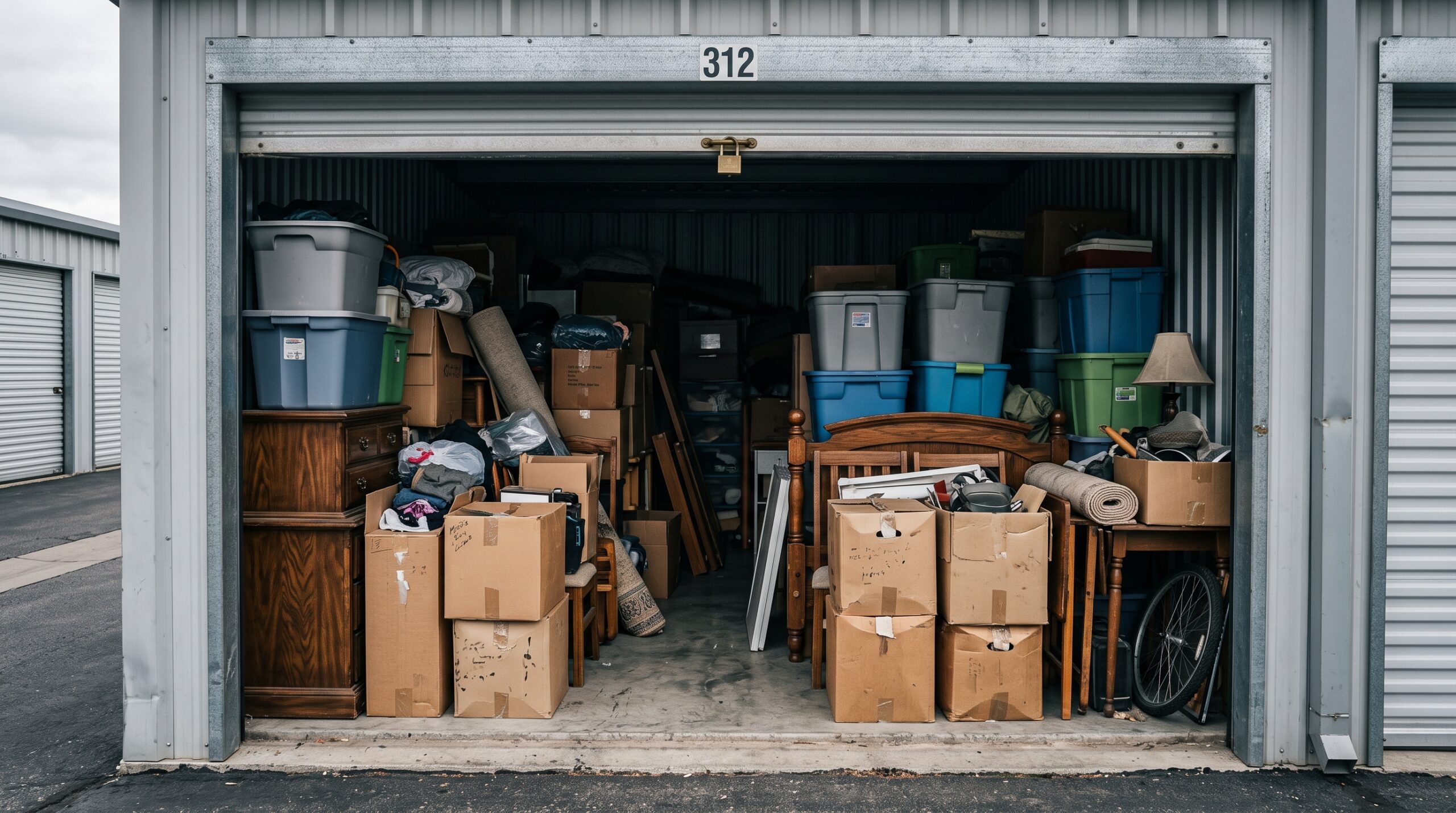
Seasonal clothes, extra bedding, keepsakes, and old furniture can take over closets and bedrooms when there is nowhere else for them to go. Moving rarely used items out of the bedroom can help the space feel calmer without forcing you to part with everything.
A nearby storage unit can be useful for items you want to keep but do not need every day. Many homeowners use local self-storage facilities for seasonal bins, extra furniture, holiday items, or belongings they are saving for a future move, remodel, or life change.
Make Your Bedroom Feel Restful Again
A calmer bedroom starts with one small area, not a full-room overhaul. Start with clothes, then clear your nightstand and dresser, organize under-bed storage, and simplify decor. Over time, those small changes can make the room feel less crowded and easier to keep up with.
A cleaner bedroom gives you more room to rest, get ready, and enjoy the space without constant clutter getting in the way.
If your bedroom still feels crowded after decluttering, Utah Storage Center can help you find extra space for seasonal items, furniture, and household belongings you do not need every day. Contact your nearest storage facility to compare current unit sizes, pricing, and availability.