Basements and attics tend to collect things you don’t need every day. Holiday decorations, old furniture, camping gear, family keepsakes, extra household supplies, and boxes from past moves can slowly fill shelves, corners, and walkways.
That does not mean you need to get rid of everything. The goal is to decide what deserves to stay, make the items you keep easier to find, and turn the space back into something useful. If you are trying to figure out how to declutter the basement, the same basic process works when you need to declutter the attic.
As part of our Room-by-Room Decluttering Series, this guide walks through a practical way to sort, organize, and store what has accumulated over time.
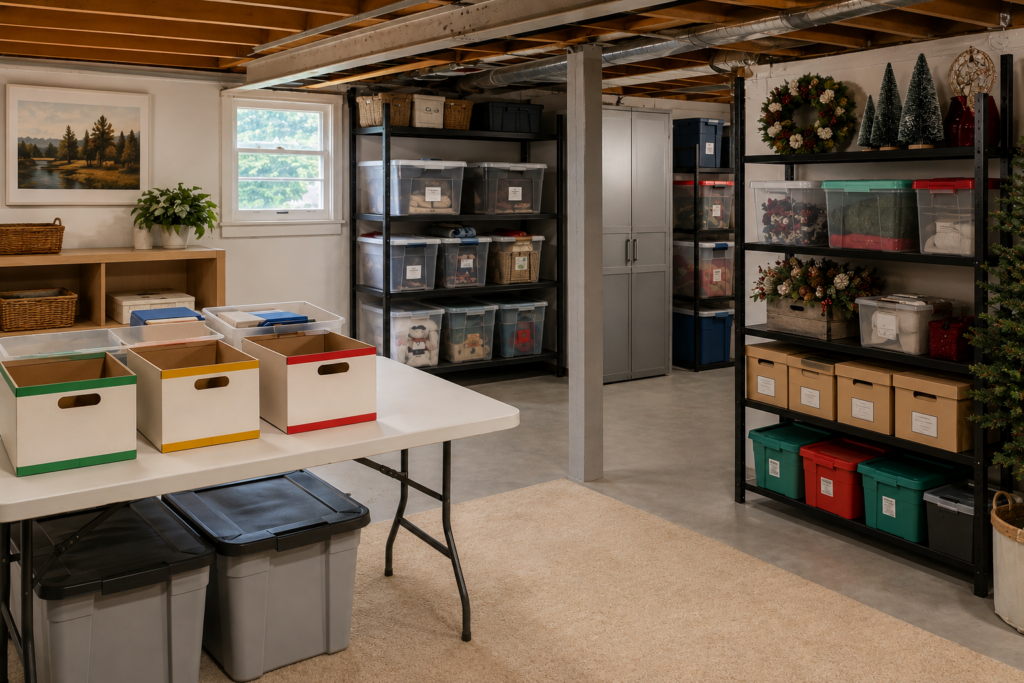
Why Decluttering the Basement or Attic Matters
A basement or attic often becomes long-term storage by default. Because many of the items are seasonal or infrequently used, it is easy to add another box without taking time to reorganize what is already there.
Over time, that can make the space harder to use. You may have to move several bins to reach one holiday decoration box, step around piles to get to a utility area, or buy duplicates because you cannot remember what is stored where.
And the benefits can extend beyond having a tidier storage area. As we explore in our guide to the physical and mental benefits of decluttering, clearing unnecessary belongings can also make your home feel more manageable overall.
Decluttering can help you:
- Make stored belongings easier to find
- Open up usable floor space
- Keep stairs, walkways, and access points clearer
- Reduce the number of loose boxes and bags sitting on the floor
- Turn part of the basement or attic into a more functional storage area
Utah’s distinct seasons can also mean rotating snow gear, holiday decorations, camping equipment, and warm-weather items throughout the year. A simple storage system makes those seasonal changes easier to manage.
How to Declutter the Basement or Attic Step by Step
1. Start With One Manageable Section
Trying to empty an entire basement or attic at once can create more clutter than you started with. Pick one shelf, one wall, one corner, or a small group of boxes and finish that area before moving on.
As you work, pull out enough items to see what you have. Group similar belongings together so duplicates and forgotten items become easier to spot. If you find five coolers, three boxes of old extension cords, or multiple tubs of the same holiday décor, seeing them together makes the next decision much simpler.
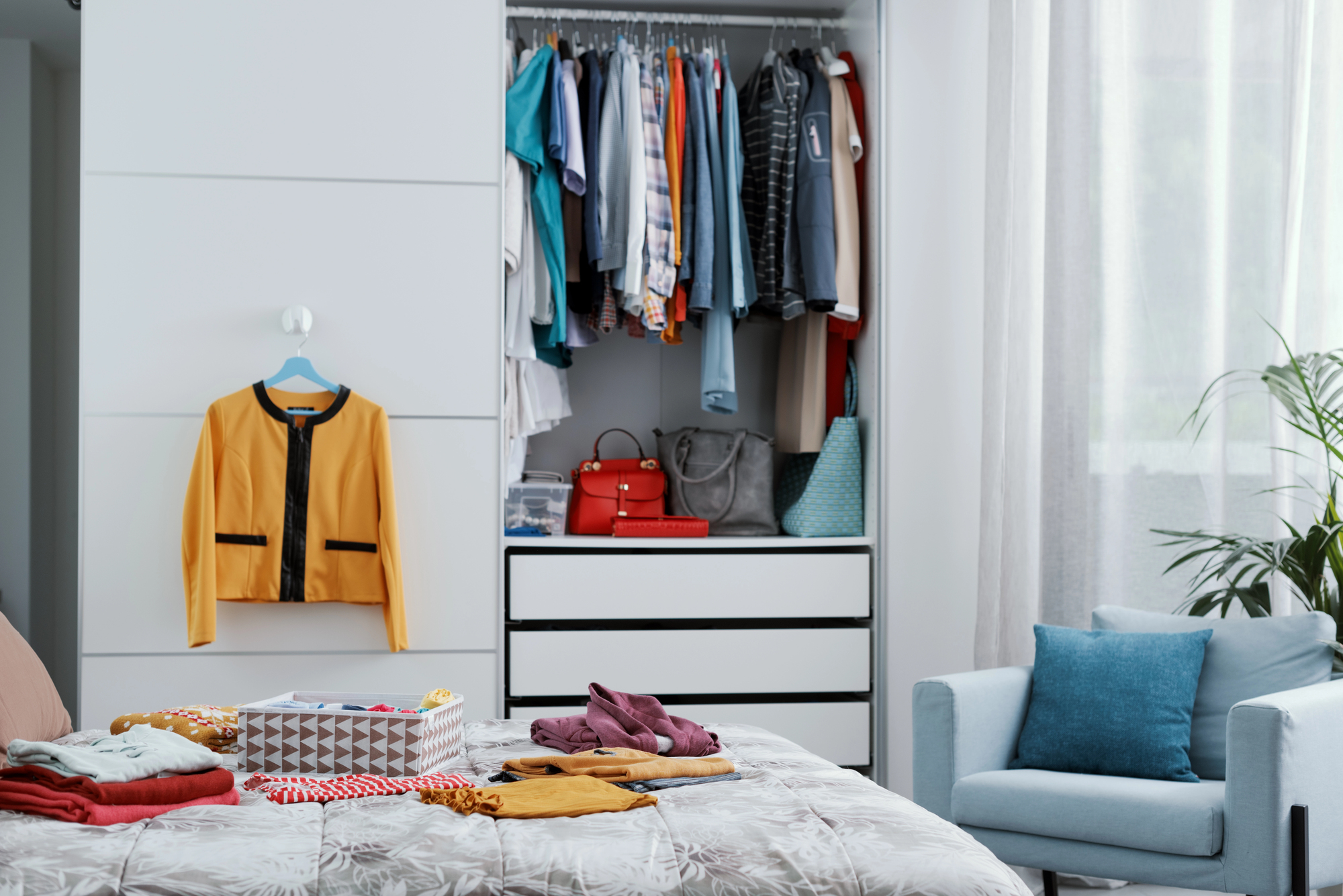
2. Create a Keep, Donate, and Discard Sorting Station
Before you make decisions, set aside a clear area for three categories:
- Keep
- Donate
- Discard
Use boxes, bins, or clearly marked floor areas so items do not drift back into the main pile. Place the donation and discard sections near the stairs, door, or other exit. That makes it easier to remove them when you finish instead of letting them become new basement or attic clutter.
As you sort, ask whether you still use the item, have a realistic reason to keep it, or would miss or replace it if it were gone. Broken, damaged, or unusable items can go into the discard pile. Items in good condition that no longer fit your needs may be better suited for donation.
3. Group the Items You Are Keeping by Category
Once the obvious donations and discards are out of the way, organize the keep pile by purpose. Useful categories might include:
- Holiday decorations and seasonal items
- Camping and outdoor gear
- Family keepsakes
- Extra household supplies
- Tools or project supplies
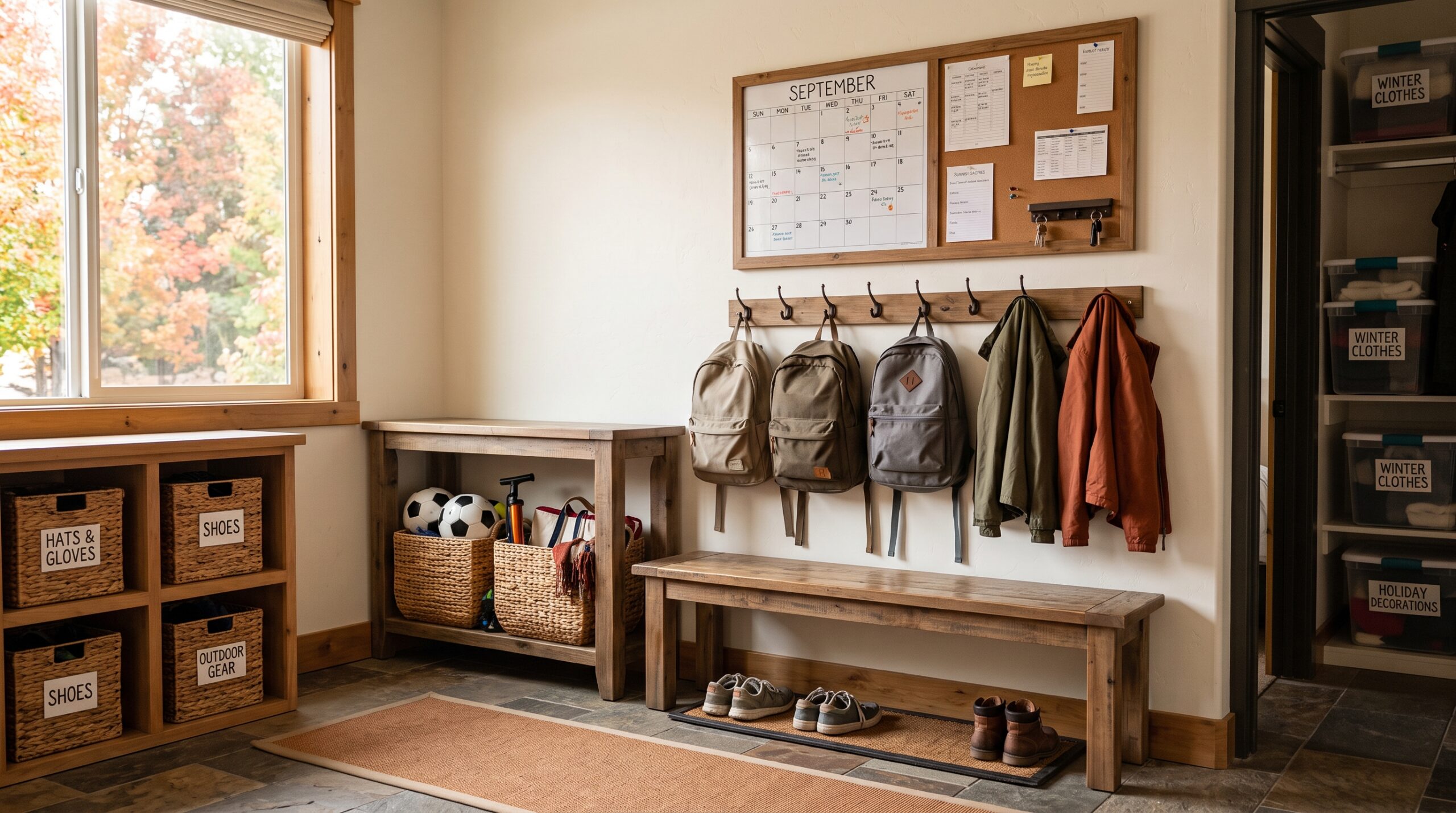
Keep categories broad enough that putting things away stays easy. A bin labeled “winter gear” may be more useful than several smaller bins that are so specific you have to think about where every glove or scarf belongs.
It can also help to separate items you use once or twice a year from belongings you may need more often. The less often you use something, the farther back or higher up it can usually go.
4. Store Seasonal and Sentimental Items in Clear, Labeled Bins
Clear bins make it easier to see what is inside without opening every container. They are especially useful for seasonal decorations, extra linens, keepsakes, and other items that tend to stay stored for months at a time.
Label each bin on at least two sides with a simple description, such as:
- Winter coats and snow gear
- Halloween decorations
- Family photos and keepsakes
- Camping kitchen supplies
- Guest bedding
For sentimental items, consider adding a little more detail to the label so you know what is inside before you start digging. “Family photos, 1990s” is more useful than “memories.”
Avoid overfilling bins. Containers that are too heavy become difficult to move and are more likely to get left in inconvenient places.
5. Use Vertical Storage to Keep Items Off the Floor
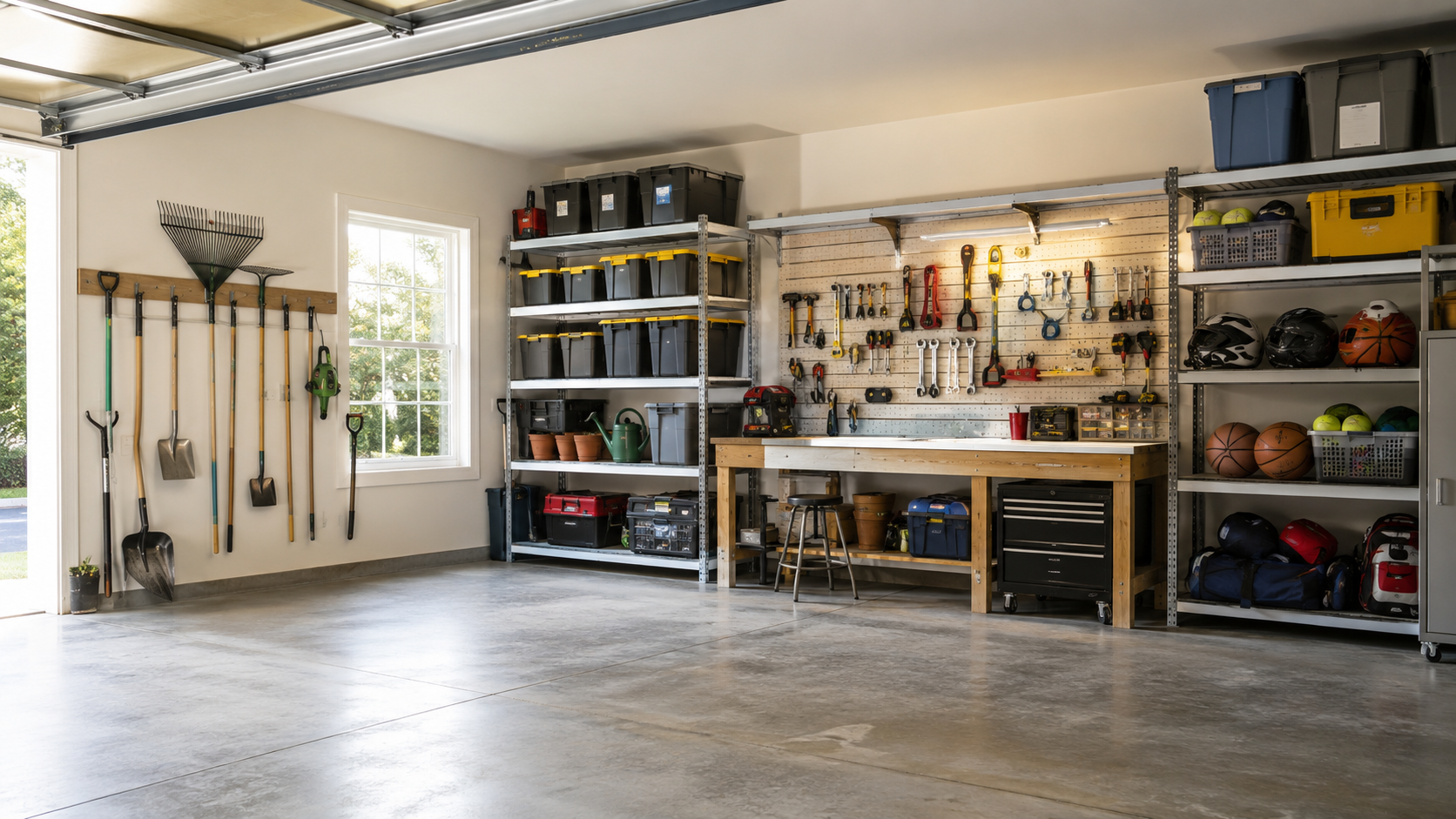
Basement and attic floor space disappears quickly when every bin and box sits at ground level. Sturdy shelving can make the same footprint hold much more while keeping categories easier to see.
Use the vertical space in a way that matches how often you need each item. Keep frequently used bins around waist or chest height, lighter seasonal items on higher shelves, and heavier containers on lower shelves.
Wall-mounted hooks or racks may also work for lightweight items when they are installed for that purpose. In an attic, be especially careful about what the floor and framing are designed to support. If you are unsure about structural limits, get qualified guidance before adding heavy shelving or concentrated loads.
6. Keep Walkways, Stairs, and Utility Areas Clear
A good storage setup should make the space easier to move through, not just fit more belongings into it. Leave a clear path to the bins you use, attic access points, stairs, doors, and any utility equipment.
Avoid stacking boxes in front of electrical panels, furnaces, water heaters, exits, or other areas that need clear access. Keeping loose cardboard, bags, and stored items away from heat sources and main walkways can also reduce common fire and trip hazards.
Simple Systems That Keep Basement and Attic Clutter From Coming Back
Once you have the space organized, a few small habits can keep it from becoming another catch-all area.
- Label new bins before they go on a shelf
- Keep one open donation box for items you decide to let go
- Put seasonal items back in the same category after use
- Leave some empty shelf space instead of packing every inch
- Do a quick reset when the seasons change
When Decluttering Still Leaves You Short on Space
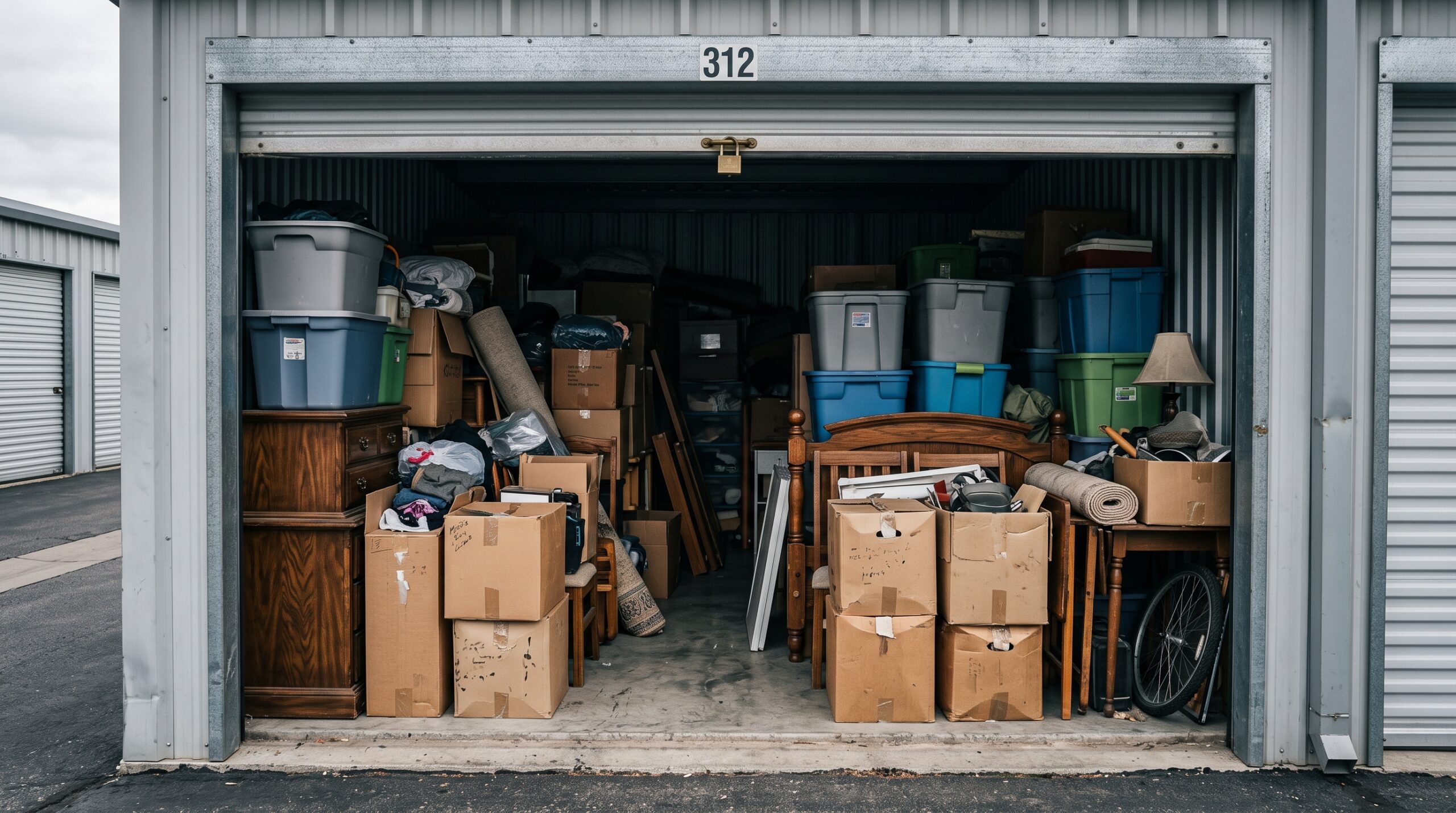
Sometimes you can declutter the basement or attic carefully and still have more seasonal gear, keepsakes, extra furniture, or household overflow than the space can comfortably hold.
A nearby storage unit can give you another place for belongings you want to keep but do not need every week. Moving seasonal and infrequently used items out of the basement or attic can keep your home less crowded, make stored belongings easier to access, and leave more open space around stairs, walkways, exits, and utility areas.
If you are unsure what size storage unit you need, Utah Storage Center’s storage unit size guide can help you compare options based on what you plan to store. You can also compare Utah Storage Center locations to find storage facilities near home, work, school, or your regular route.
Give the Space a Purpose That Fits Your Home
Once the overflow is under control, your basement or attic can become something more useful than a place where extra belongings collect. You may want room for hobbies, projects, or simply a little more open space at home. Having a clear purpose for the area makes it easier to decide what truly belongs there going forward.
If keeping that space available means moving rarely used items elsewhere, Utah Storage Center can help. Contact Utah Storage Center to compare available storage options and find a nearby location that fits your routine.